Mr. President, Excellencies, Distinguished Delegates,
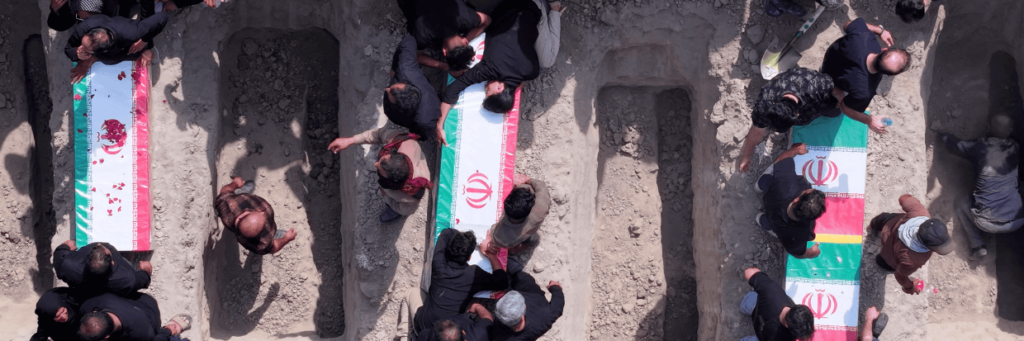
The bombing of Shajareh Tayyebeh Elementary School in Minab evoked a visceral horror.
The images of bombed-out classrooms and grieving parents showed clearly who pays the highest price for war: civilians with no power in the decisions that led to conflict. In this case, a reported 168 pupils, teachers, school staff, and their loved ones.
I send my deepest condolences to the bereaved families.
Whatever differences countries have, we can all agree they will not be solved by killing schoolchildren.
That is why we have the laws of war: to protect children and other civilians caught up in conflict, as well as schools and all civilian infrastructure.
In the case of this school, the onus is on those who carried out the attack to investigate it promptly, impartially, transparently and thoroughly, to determine the facts and lay the basis for accountability.
Senior US officials have said the strike is under investigation. I call for that process to be concluded as soon as possible, and for its findings to be made public. There must be justice for the terrible harm done.
It is gravely concerning that around the world, attacks on schools are increasing.
In 2024, such attacks surged by a shocking 44 percent, leaving 52 million children out of the classroom.
I call on all countries to take urgent steps to protect educational facilities, and those who study and work in them.
Mr. President,
Resort to the use of force, at a time when negotiations were ongoing, is a strategic failure that has had a devastating impact on civilians. Bombs and missiles are not the path towards sustainable peace. They bring death, destruction and misery, in many cases only deepening grievances and fuelling future violence.
In Iran, as the conflict has progressed, US and Israeli attacks have increasingly struck densely populated residential areas and destroyed civilian infrastructure.
Homes, medical facilities, schools, courts, transport networks, and energy installations have been hit across all 31 provinces of the country. According to the Iranian authorities, more than 1,900 civilians have been killed and tens of thousands injured.
The targeting of nuclear facilities is reckless beyond comprehension.
These attacks raise serious concerns over compliance with international humanitarian and human rights law, under which the protection of civilians must remain central.
Mr. President,
The people of Iran are caught between conflict and repression.
I am gravely concerned by reports that since the start of the hostilities, the Iranian authorities have intensified their crackdown on civic space.
Law-enforcement authorities have repeatedly said that dissent will be treated as collaboration with the enemy, and punished harshly for acts including filming damaged sites or communicating about the conflict.
The authorities have intensified arrests, judicial cases, and bans against people and media outlets accused of promoting so-called enemy narratives.
We have reason to believe hundreds of people have been arrested, while journalists, activists, and public figures have been placed under surveillance.
The internet has been shut down for nearly a month.
War does not reduce the responsibility of the Iranian authorities to abide by their human rights obligations.
Mr. President,
The military escalation in the Middle East and the Gulf is reaching dangerous levels. It must end.
There is a high and rising risk of further contagion and increased civilian suffering in the countries directly involved.
Beyond the region, there are fears of grave economic consequences, from deepening poverty and hunger to shortages of medicine and fuel.
It is imperative that all parties halt the escalation.
I call on the United States and Israel to end their attacks against Iran.
I call on Iran to stop attacking its neighbours, and to respect and protect the human rights of its own people.
I urge restraint on all sides, and implore the parties to conflict to return to negotiations – the only path towards a durable solution to their differences.
Divisions within this Council must not distract us from a shared focus on the human rights of people across the Gulf and the Middle East.
As I address you for a second time in three days, I urge all States to prioritize preventing further suffering; protecting all civilians regardless of nationality or location; and seeking long-term, sustainable peace.
Thank you.
© 2025 INTERNATIONAL HUMAN RIGHTS MONTHLY. ALL RIGHTS RESERVED | Privacy Policy
Adding {{itemName}} to cart
Added {{itemName}} to cart